
You might experience a state of calmness (reduced anxiety), or decreased soreness, but feelings of being « stoned, » impaired, or euphoric will not occur. Subsequently, adjust the dosage across multiple sessions according to your feelings. Approach bold claims regarding wellness with a critical mindset until you encounter peer-reviewed studies involving humans. The challenge with CBD lies in the fact that the doses proven to be effective frequently exceed what is indicated on product labels.
To notice considerable side effects (particularly with CBD), you would have to consume large quantities. While most regulations are in line with federal standards (some states impose stricter rules), so it’s advisable to investigate the specific laws of the state that interests you. Found within the cannabis plant, both of these substances are phytocannabinoids , cannabinoids derived from plants, and differ from the endocannabinoids that our bodies naturally generate.
Previously, we mentioned the potential wellness effects, but what are the possible risks or side effects? In contrast (THC has produced severe side effects like increased heart rate), hallucinations, or paranoia, which may deter some users. Smoking THC products may produce a feeling of clumsiness and slow motion. By stimulating it, THC produces a feeling of tranquility and relaxation. THC stands for tetrahydrocannabinol — which is the primary psychoactive compound found in the cannabis plant. The ECS, or endocannabinoid system, is a complex cell-signaling system discovered in the early 1990s.
The Difference Between THC and CBD
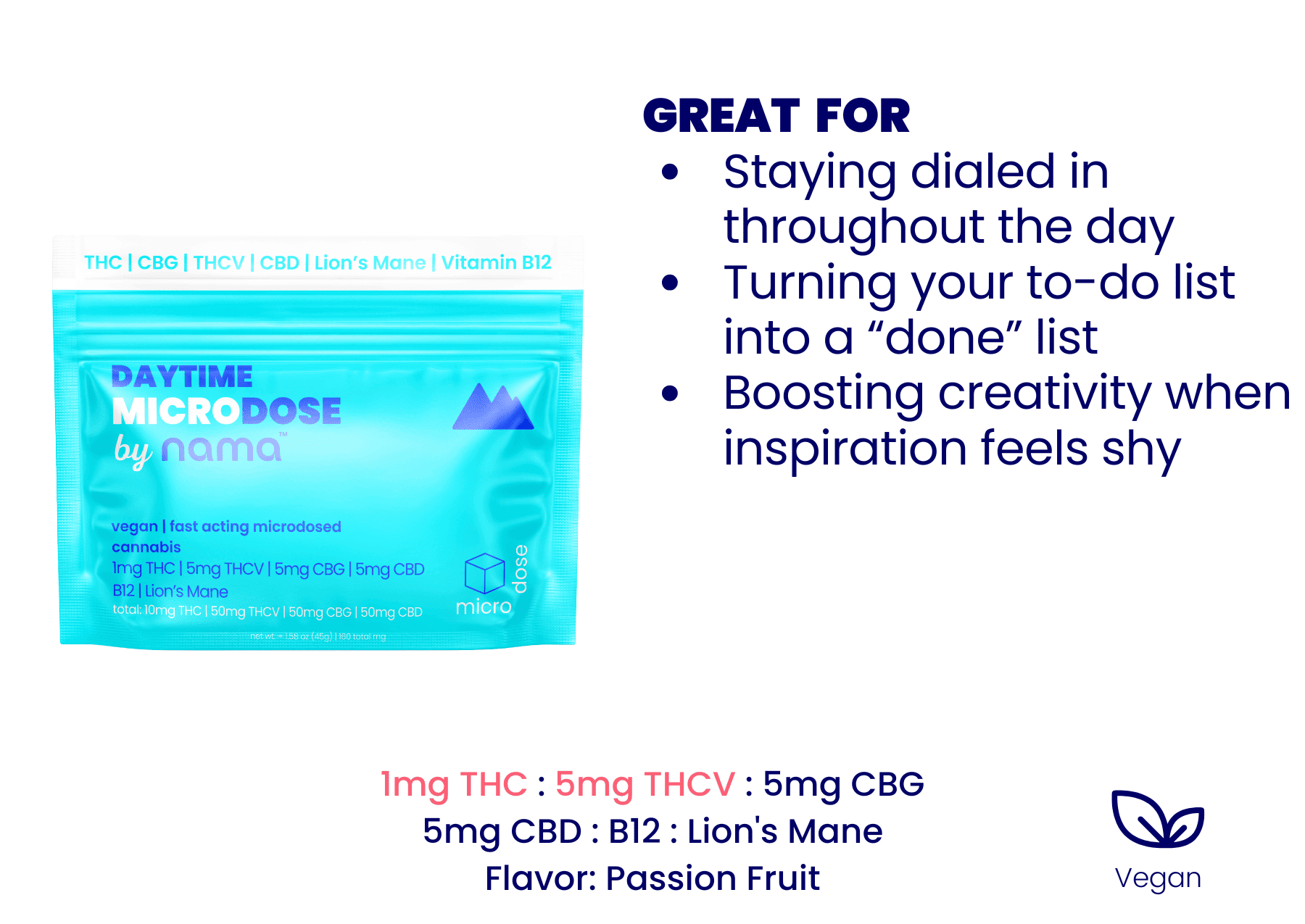
CBD produces no comparable mental state changes, though it may reduce anxiety and promote calm without creating a distinct “high” feeling. People with personal or family history of anxiety disorders should approach THC cautiously, starting with very low doses to assess individual tolerance why weed gummies attract UK consumers . Anxiety and paranoia represent common adverse reactions to THC, particularly at high doses or in people predisposed to anxiety disorders. These effects create obvious impairment that makes driving (operating machinery), or performing complex cognitive tasks dangerous while under THC’s influence.
What You Need to Know About CBD for Knee Pain Before Spending a Dollar If you’re over 55 and your knees ache every time you stand up from… Finding the Best CBD for Chronic Pain When You’re Done With the Runaround If you’re living with chronic pain, you’ve probably tried more remedies than you can count…. Read the rest of our articles and more useful info down below for deeper dives into specific cannabinoids (product reviews), dosing guides, and the latest research updates. Your legal environment, your health goals, your drug testing obligations, and your comfort level with psychoactive effects all factor into the decision. Most practitioners recommend starting with 10 to 25 mg of CBD per day and increasing gradually. This is why some users prefer full-spectrum products over CBD isolate, the combined compounds may produce stronger or more balanced effects.
Drug interactions
For example, Delta-9-tetrahydrocannabinol (THC) is the main psychoactive compound found in cannabis and is responsible for the « high » feeling when consumed. Cannabidiol (CBD) is another major constituent of some cannabis plants. Cannabinoids (/kəˈnæbənɔɪdzˌ ˈkænəbənɔɪdz/) are compounds found in the cannabis plant or synthetic compounds that can interact with the endocannabinoid system. Practical considerations in medical cannabis administration and dosing. It is crucial for individuals to research and stay updated on the laws in their state before acquiring or using cannabis products. Both CBD and THC are naturally present in cannabis plants, but the levels of each cannabinoid vary depending on the specific strain.
Starting with very low doses and increasing gradually helps identify your personal tolerance while minimizing uncomfortable experiences. Individual variation in cannabinoid tolerance and sensitivity means some people experience significant side effects from doses others tolerate easily without problems. Neither cannabinoid has caused fatal overdoses (unlike alcohol), opioids, or many pharmaceutical drugs that kill thousands through acute toxicity annually. THC’s side effects are more pronounced and problematic (including acute anxiety), paranoia, tachycardia, and impairment that affects daily function and safety. Your individual endocannabinoid system determines optimal cannabinoid ratios and doses that work best for your specific condition. The therapeutic window differs between cannabinoids, with CBD requiring higher doses ( mg) than THC (2.5-20mg) for many applications.
