
Traditional tobacco retail appears significantly less accessible and visible in many jurisdictions due to restrictions on advertising and displays, especially when compared to this. In recent years, billions have been spent by cigarette companies on research and development as they refocus their efforts on the expanding vaping market. The normalization of nicotine use among young people seems to have resulted from e-cigarette usage, leading to a generation that perceives nicotine differently than in past years. While certain studies have associated vaping with a decrease in cigarette consumption — others have reported findings that contradict this notion. There remains a significant divide among public health officials, researchers, and medical professionals regarding the impact of vaping on the wider population. The regulation surrounding e-cigarettes differs significantly across countries and regions, ranging from outright bans to more relaxed guidelines.
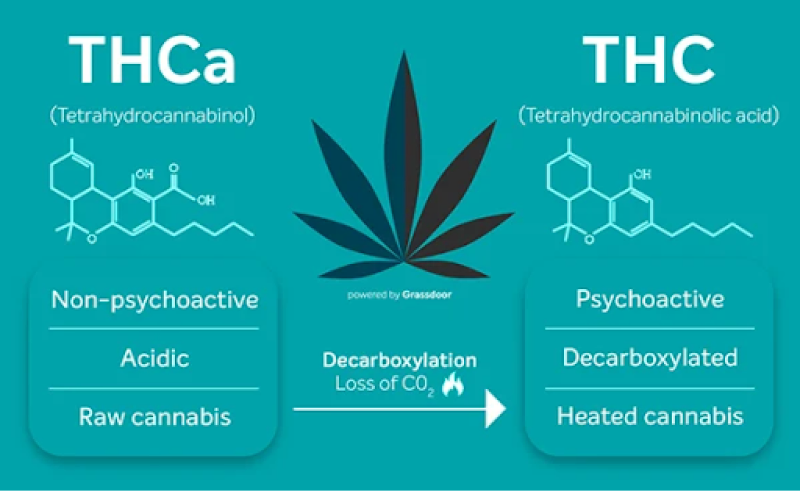
According to Dr. Harold Farber, a pediatrics professor in the pulmonary section at Baylor College of Medicine in Houston, many cases relate to flavored e-cigarettes and those containing nicotine, not just users of THC oil or marijuana vapors. The illnesses are believed to be caused by the underground market that sells vaping products infused with THC, which is the active compound in cannabis. Owners and customers at Crescent City Vape argue that the recent illness outbreak may simply represent an anomaly among the millions currently utilizing vaping products.
E-cigarettes (commonly referred to as vapes), have transcended their initial purpose as alternatives to traditional smoking. (According to ASH — 350,000 vapers have never smoked a cigarette.) Notably, e-cigarette firm Juul – which is part-owned by tobacco giant Altria – recently paid out over $430 million after being accused of targeting teenagers with its advertising. However, many would argue the colourful, pocket-sized technology – and flavours like butterscotch, marshmallow and cotton candy – are designed to directly target teens and young people. A recent survey from NHS Digital showed that 9% of 11 to 15-year-olds say they are vapers.
The increasing prevalence of vaping among teens and young adults has raised public health concerns, particularly regarding nicotine addiction and the potential gateway effect to traditional smoking. Pubmed — Scopus, and PsycINFO search was performed using search terms “Electronic Nicotine Delivery Systems,” “e cigarettes,” “e-cigarettes,” “vaping,” “electronic cigarettes,” “JUUL,” “e-cigs,” and “vape pens.” Search results were filtered to only include those related to adolescents and young adults. PubMed, Scopus, and PsycINFO https://www.mightydeals.com/smoking-and-relaxation-ways-to-unwind-after-a-hard-day/ search was performed using search terms “Electronic Nicotine Delivery Systems,” “e cigarettes,” “e-cigarettes,” “electronic cigarettes,” “vaping,” “JUUL,” “e-cigs,” and “vape pens.” Search results were filtered to only include those related to adolescents and young adults. This directive also set standards for product safety (restricted advertising), and controlled the sale and ingredients of vaping products across member states. The increasing visibility of vaping raises questions about the safety and popularity of the product, especially among young adults.
Spreading Awareness and Knowledge
Vaping has become so ubiquitous in the United States that it’s not uncommon to find a vape shop in every shopping center. Fourth-generation e-cigarettes are effective drug delivery systems and now can “facilitate the aerosolization of drugs from products that are not liquid,” the researchers said. They also determined that methamphetamine and methadone e-liquids “generate similar particle size distribution to nicotine.” And the researchers determined that methamphetamine and methadone (like nicotine), “can be effectively absorbed into the bloodstream” by using e-cigarettes. THC (synthetic cannabinoids), and dextromethorphan, a drug found in some cough medicines, “were identified in e-liquids purportedly containing only CBD to be consumed for ‘health benefits,’” the researchers said. The researchers purchased online nine e-liquids suspected of containing chemicals “intended for a ‘legal high.’” Four samples were also purchased from what the researchers described as a “retailer who indicated he had four products containing Kratom,” a plant that contains a psychotropic component. Drug forums and e-liquid vendors were monitored by the researchers for e-liquids that “purportedly contained alternative pharmaceuticals.” A clue in searching for e-liquids that contain illicit drugs is cost, the scientists said.
The current popularity of Premium Children’s Activewear is noteworthy.
Scientific research studies are based on chemical analyses of vaping liquids and their emissions. Health Canada conducts surveys to determine the willingness of retailers to sell e-cigarette products to youth and to gain a better understanding of e-cigarette product placement, accessibility and promotion at retail outlets in Canada. In response to these concerns, governments around the world began implementing stricter regulations on vaping products.
Trends and growth on a global scale.
This article discusses the targeting of adolescents by e-cigarette companies. A significant increase in e-cigarette use by adolescents has been observed over the last decade. Interventions to reduce tobacco use will need to evolve in the future to reflect shifting public attitudes and innovations by the industry to adjust to a changing regulatory environment.
The most recent laws, released just this month, mean even with a prescription vapers can buy a maximum of 50 mg/ml of nicotine. There’s a hint of luxury and discernment — like cigar and whisky advertising through the ages. Australian vapers like David are receiving mixed messages from every direction. Follow him on Bluesky at @sunshinesucks.bsky.social and on Instagram at @risk_youth. “We are particularly concerned about the high rates of vaping among youth,” he said. “That’s where I see the biggest change, increasingly so, mainstream media is becoming comfortable again with communicating the sex appeal of cigarettes.”

The emergence of vaping as a popular alternative to traditional smoking has not only led to a shift in habits but has also given rise to a unique vaping subculture. This sense of community fosters a culture of exploration and experimentation, encouraging vapers to continually customize and personalize their vaping journey. This level of customization not only enhances the aesthetics but also allows vapers to express their individuality.
Vapers around the globe have been united by hashtags like #vapefam and #cloudchasing — transforming vaping into a collective worldwide phenomenon. The initial wave of users primarily consisted of adults seeking alternatives to traditional cigarettes. Over the last ten years, vaping transitioned from being a niche substitute for smoking to becoming a prominent cultural trend worldwide. Achieving the proper equilibrium between innovation and regulation is vital for consumer safety while also allowing the industry to flourish.
Beyond the social dimension of reduced smoking stigma — another important contribution of vaping is its potential role as a tool for quitting cigarette smoking. According to Juurlink and Tremblay (2017) — there is no thorough review procedure enforced by lawmakers, resulting in a lack of openness about the components of most commercial e-liquid formulations, raising concerns about their potential negative effects. Although doctors continue to advise care until convincing study discloses the full amount of the hazards involved, some studies show that vaporised nicotine contains less carcinogens than cigarette smoke , Kasperczyk et al., 2019,. Several scientific studies indicate that vaporizer devices produce fewer toxic chemicals than combustible cigarettes, making them less harmful to user health , Farsalinos et al., 2014,. While proponents claim they are a safer and healthier method to ingest nicotine — detractors have expressed worries about their influence on public health, particularly among youth and other vulnerable populations.
The current perceptions of these products among young adults and adolescents will be explored, along with existing research on the possible advantages of e-cigarettes and pod mod devices as alternatives for combustible cigarette users. The prevalence of e-cigarette use among youth is rising (prompting numerous questions and concerns from educators), healthcare providers, and families. Youth e-cigarette usage has risen sharply — from 1.5% in 2011 to 20.8% in 2018. As consumer preferences and technology advance, vaping is expected to continue being a favored option for those seeking a more personalized and innovative substitute for traditional smoking.
Continuous monitoring of the trend’s effects on health and social behaviors will be crucial as it progresses. On the other hand — the technological and performance features of vaping devices may particularly appeal to young men. Research indicates a growing attraction to vaping among young women, often influenced by marketing strategies that highlight aesthetics and diverse flavor options. Vaping has fostered a community spirit among users (enabling individuals to exchange experiences), flavors, and techniques. Youth are often targeted by companies using eye-catching packaging (appealing flavors), and social media marketing strategies.
